

The Foundation of Health: Why Hoof Care is Non-Negotiable for Your Livestock
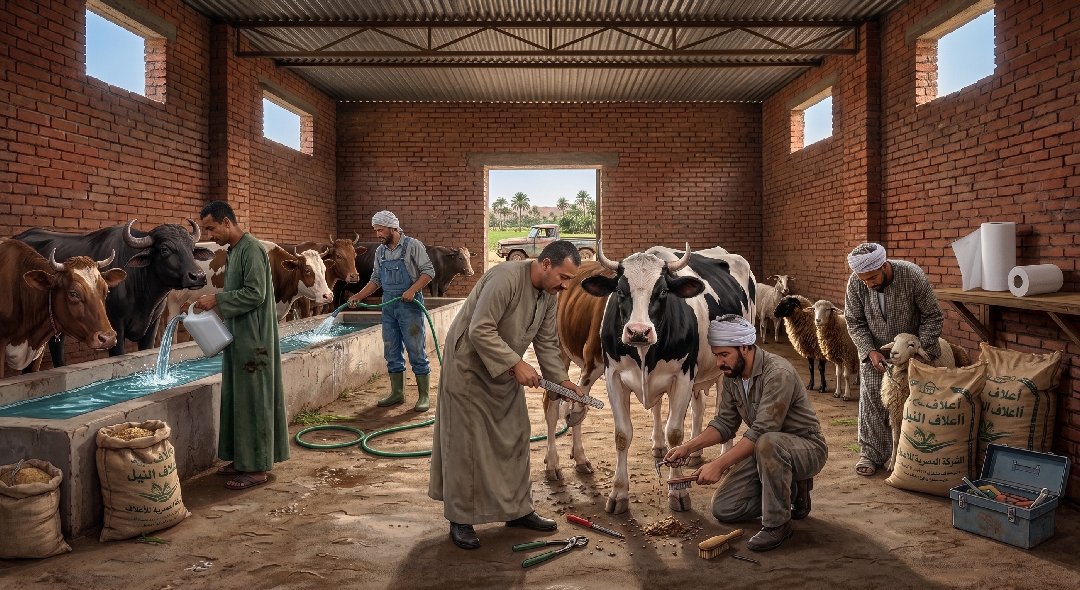
The Foundation of Health: Why Hoof Care is Non-Negotiable for Your Livestock
In the world of livestock farming, the health and productivity of your animals are paramount. While much attention is often given to nutrition, breeding, and disease prevention, one critical aspect often overlooked is hoof care. Healthy hooves are the foundation upon which an animal's well-being, mobility, and ultimately, its productivity rest. Neglecting hoof health can lead to lameness, reduced feed intake, decreased milk production, lower weight gain, and significant economic losses.
The Importance of Healthy Hooves
An animal's hooves bear its entire weight and are essential for movement, foraging, and social interaction. When hooves are compromised, animals experience pain, stress, and difficulty performing basic functions. This directly impacts their overall health and welfare. Regular and proper hoof care is not just about preventing lameness; it's about ensuring the animal's comfort, longevity, and maximizing its potential.
Common Hoof Problems and Their Causes
Several issues can affect hoof health, often stemming from a combination of environmental, nutritional, and management factors:
- Laminitis: Inflammation of the sensitive laminae within the hoof, often caused by dietary imbalances (e.g., sudden changes in feed, excessive grain) or metabolic stress.
- Foot Rot (Infectious Pododermatitis): A bacterial infection causing foul-smelling lesions, swelling, and severe lameness. It thrives in wet, muddy conditions.
- White Line Disease: Separation of the hoof wall at the white line, allowing dirt and bacteria to enter, leading to abscesses.
- Sole Ulcers and Abscesses: Lesions or pus-filled pockets in the sole, often due to trauma, prolonged standing on hard surfaces, or poor trimming.
- Hoof Cracks: Vertical or horizontal cracks in the hoof wall, which can be painful and lead to infections if not addressed.
Best Practices for Comprehensive Hoof Care
Implementing a proactive hoof care program is vital. Here are key strategies:
- Regular Inspection and Cleaning: Routinely check hooves for signs of injury, infection, or abnormal growth. Clean out dirt, manure, and debris from between the claws and around the sole.
- Professional Trimming: Schedule regular hoof trimming by a qualified professional. Proper trimming balances the hoof, corrects overgrowth, and removes damaged tissue, preventing pressure points and promoting healthy growth.
- Nutritional Support: A balanced diet rich in essential minerals (like zinc, copper, and selenium) and vitamins (especially biotin) is crucial for strong hoof horn development. Consult with a nutritionist to ensure your animals receive adequate nutrients.
- Environmental Management: Provide clean, dry housing and pasture conditions. Minimize exposure to excessive moisture, mud, and abrasive surfaces. Good drainage in pens and walkways is essential.
- Early Detection and Treatment: Be vigilant for any signs of lameness or discomfort. Promptly isolate affected animals and initiate appropriate treatment to prevent the spread of infection and minimize suffering.
HeyGin: Your Partner in Animal Health and Hoof Care
At HeyGin, we understand that robust animal health is built on a foundation of excellent care and hygiene. Our range of innovative solutions is designed to support your livestock's well-being, including aspects crucial for hoof health. From advanced hygiene products that help maintain clean environments and reduce pathogen load, to specialized nutritional supplements formulated to strengthen hoof integrity, HeyGin is committed to providing farmers with the tools they need for optimal animal performance. Partner with HeyGin to elevate your hoof care practices and ensure your animals stand strong and healthy.
Conclusion
Hoof care is not a luxury; it's a fundamental component of responsible livestock management. By prioritizing regular inspections, professional trimming, proper nutrition, and a clean environment, you can significantly reduce the incidence of lameness and improve the overall health, welfare, and productivity of your herd. Invest in your animals' hooves, and they will repay you with robust health and sustained performance.